Cloud cost management has become one of the most critical operational challenges for engineering organizations. As companies scale across multiple cloud providers and deploy hundreds of services, understanding where money is spent becomes increasingly complex. Thanksfully numerous open source FinOps tool bring clarity into your cloud costs.
The discipline of FinOps emerged precisely to solve this problem by bringing financial accountability to cloud infrastructure. While many commercial platforms exist, a growing number of engineering teams are turning toward open source tools to build their FinOps stack.
Open source solutions provide transparency, flexibility, and deep integration with DevOps workflows. They also allow organizations to keep full control over cost data and avoid vendor lock-in. However, the ecosystem is fragmented and each tool solves a different part of the FinOps lifecycle.
This article explores the most important open source FinOps tools available today, how they work, and how engineering teams combine them to build a complete cost management strategy.
Why open source FinOps tools are gaining traction
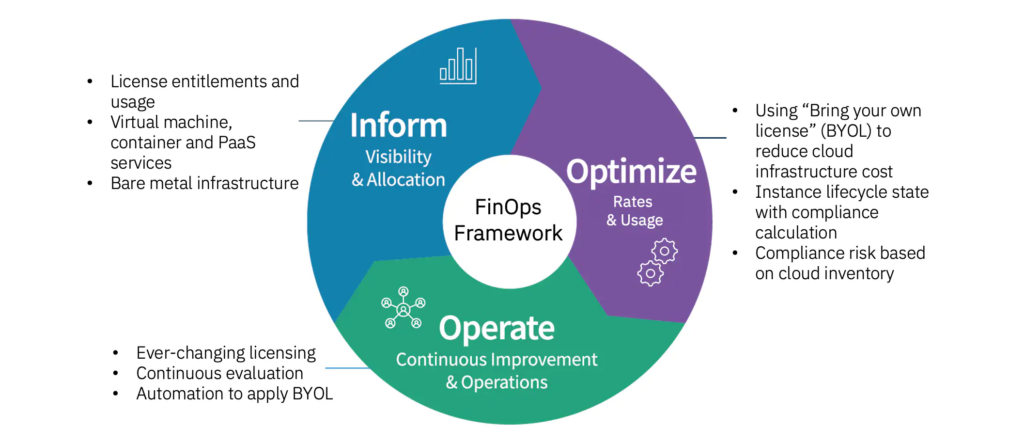
Cloud providers expose large amounts of billing data, but turning that raw information into actionable insights is far from trivial. Native dashboards are often limited, and large organizations need more advanced cost allocation and optimization capabilities.
Open source FinOps tools address this gap by focusing on specific technical layers of the cost management workflow. Some tools operate at the infrastructure-as-code level, others analyze running workloads, and some automate governance policies.
One of the major advantages of open source is the ability to integrate directly with engineering systems such as CI/CD pipelines, Kubernetes observability stacks, and internal data platforms. This allows cost visibility to become part of the development lifecycle rather than a separate financial reporting exercise.
Another key benefit is transparency. When teams manage their own cost pipelines they can audit every step of the process, from billing data ingestion to allocation logic.
However, the open source approach also requires engineering effort. Unlike commercial platforms, these tools rarely provide a full end-to-end FinOps solution. Organizations typically combine multiple projects to cover the entire lifecycle of cloud cost management.
OpenCost: the emerging standard for Kubernetes cost monitoring
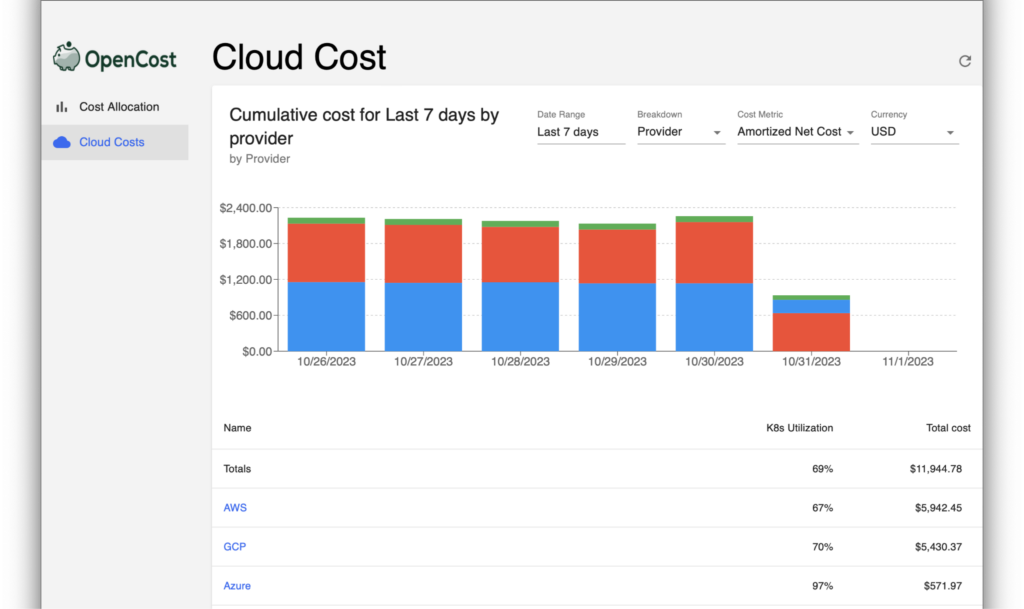
Among the most influential projects in the FinOps ecosystem is OpenCost.
Kubernetes introduced a major challenge for cloud cost management. While infrastructure costs come from virtual machines, storage, and network resources, workloads run inside containers and pods. Mapping infrastructure costs to specific applications therefore requires an additional layer of allocation.
OpenCost solves this problem by providing a standardized way to attribute infrastructure costs to Kubernetes resources. It collects usage metrics from the cluster and combines them with pricing data from cloud providers. The result is a detailed view of how much each namespace, deployment, or service actually costs.
Because OpenCost exposes metrics through APIs and Prometheus exporters, it integrates naturally with observability stacks. Engineering teams can therefore visualize cost data alongside performance metrics, which makes it easier to detect inefficient workloads.
Many modern FinOps platforms also rely on OpenCost as the underlying data layer for Kubernetes cost analytics. By acting as a standard rather than a complete platform, the project enables interoperability between different tools in the ecosystem.
Kubecost: deep cost allocation for Kubernetes environments
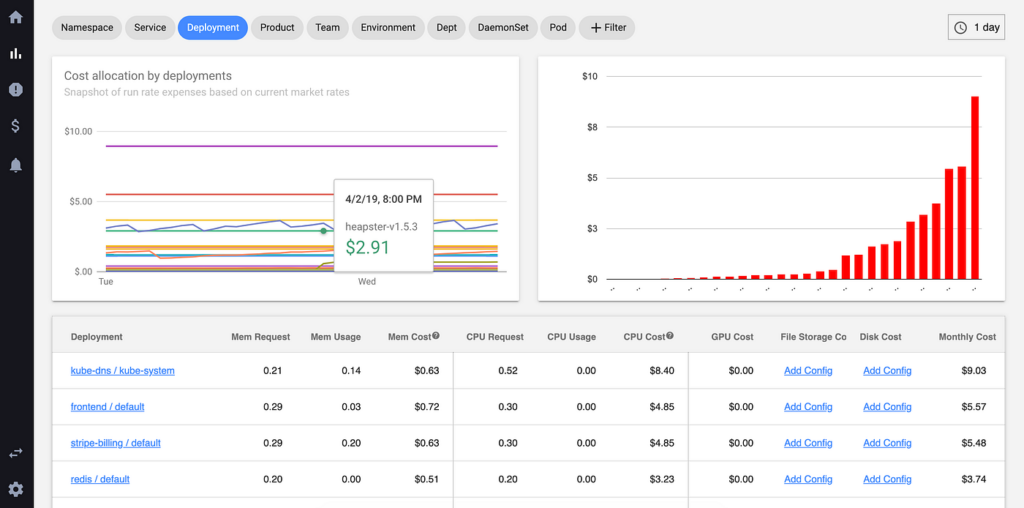
Another widely adopted project in the Kubernetes FinOps space is Kubecost.
Kubecost focuses on providing detailed cost allocation and optimization insights for Kubernetes clusters. While OpenCost standardizes cost metrics, Kubecost provides a full user interface and analytics layer that helps teams understand how their clusters consume cloud resources.
The platform aggregates infrastructure costs and distributes them across namespaces, pods, and services. This allows organizations to implement chargeback or showback models where each team is accountable for the resources it consumes.
One of the strengths of Kubecost lies in its ability to highlight inefficiencies. It can identify workloads that request more CPU or memory than they actually use, detect idle resources, and estimate potential savings from different instance types. In large containerized environments, these insights often translate into significant cost reductions.
For companies operating large Kubernetes fleets, tools like Kubecost have become essential components of their FinOps strategy.
Infracost: bringing FinOps into the development workflow
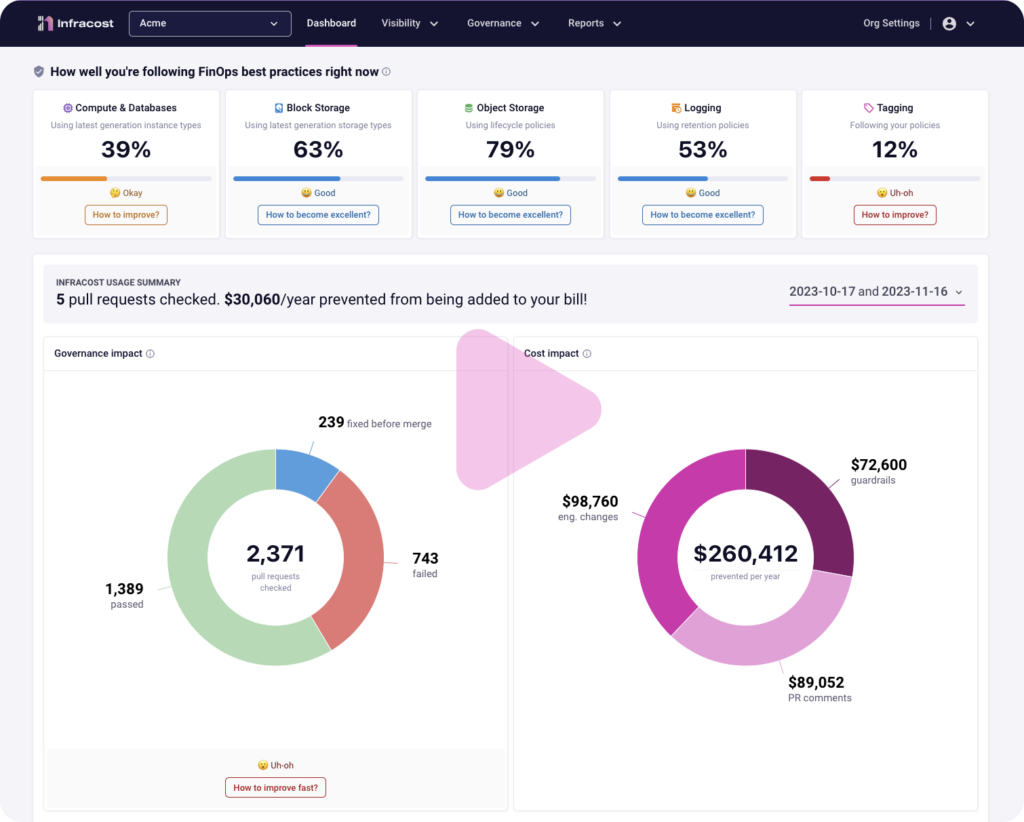
While many cost tools analyze running infrastructure, Infracost addresses a different stage of the lifecycle.
Infracost integrates with infrastructure-as-code workflows and estimates cloud costs before resources are deployed. When engineers modify a Terraform configuration, the tool calculates the financial impact of the change and presents the result during code review.
This approach is often described as “shift-left FinOps”. Instead of discovering cost issues after deployment, developers become aware of them during the design phase.
In practice, Infracost is commonly integrated with pull requests in Git repositories. When a change modifies infrastructure, the system automatically comments on the pull request with a projected monthly cost difference. Reviewers can then evaluate whether the architectural change is financially justified.
This kind of early visibility helps prevent accidental cost spikes and encourages engineers to consider cost as a first-class design constraint.
Cloud Custodian: policy-driven cost governance
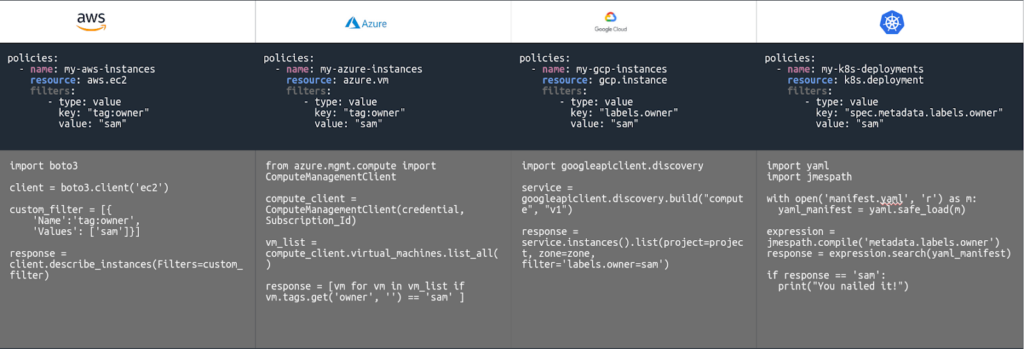
Another critical dimension of FinOps is governance. Large cloud environments often accumulate unused resources, inconsistent tagging practices, and outdated infrastructure.
Cloud Custodian approaches this challenge through policy-as-code. Organizations define rules that automatically detect and remediate inefficient resources.
Policies can enforce mandatory tags, shut down idle instances, or restrict certain types of infrastructure. Because these policies are stored in version control, they become part of the organization’s infrastructure governance framework.
For example, a company may create a policy that automatically stops development environments outside working hours or deletes unattached storage volumes after a certain period. Over time, such automated rules can generate substantial savings.
Cloud Custodian is particularly popular among large enterprises because it supports multiple cloud providers and scales well across complex environments.
Komiser: discovering hidden cloud waste
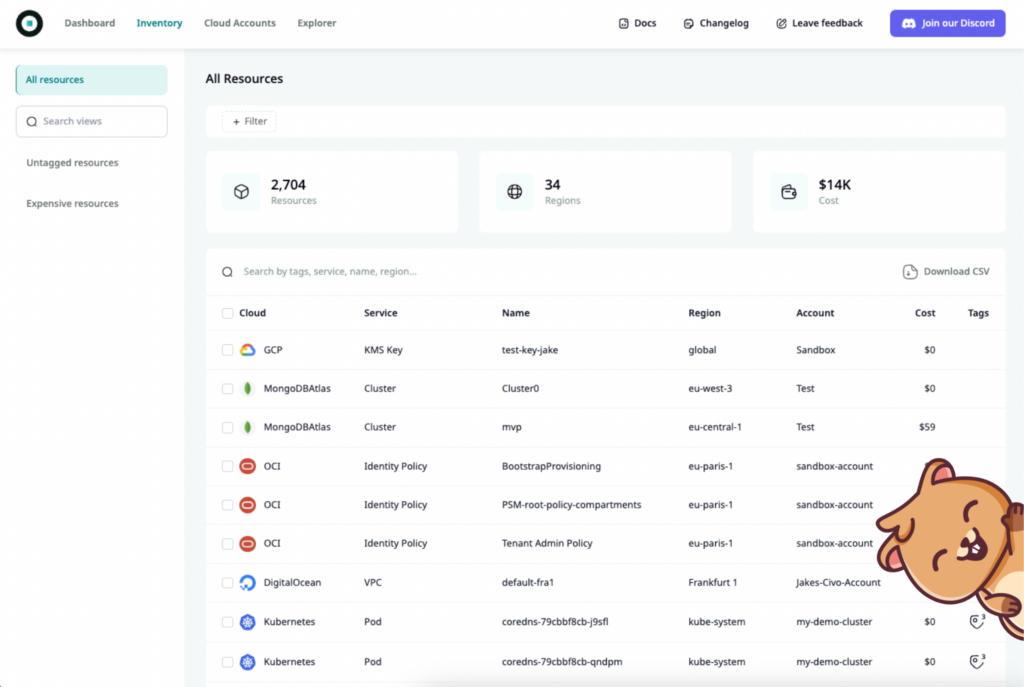
Many cloud cost issues originate from simple operational mistakes. Engineers forget to remove test environments, load balancers remain active after migrations, or storage volumes stay attached to deleted instances.
Komiser was designed to uncover these hidden inefficiencies. The tool scans cloud accounts and builds an inventory of resources across multiple providers.
Once the environment is mapped, Komiser identifies unused infrastructure and misconfigurations that may lead to unnecessary spending. The resulting visibility often reveals resources that teams were not even aware existed.
Although Komiser does not provide advanced financial analytics, it plays an important role in maintaining cloud hygiene and preventing silent cost leaks.
OptScale: an attempt at a full open source FinOps platform
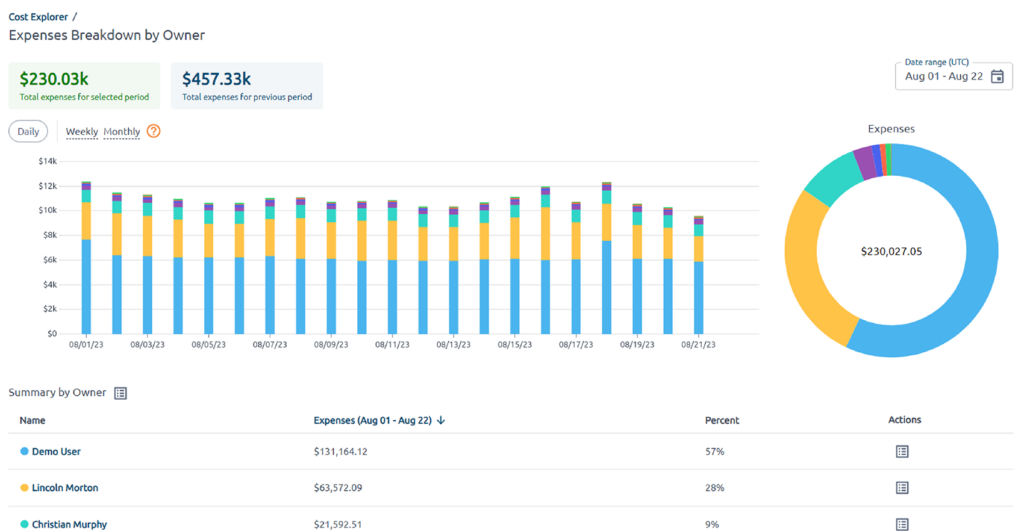
While most open source projects focus on specific FinOps functions, OptScale attempts to provide a broader platform.
OptScale combines cost analytics with automated optimization capabilities. It can analyze infrastructure usage, recommend instance rightsizing, and schedule workloads to reduce spending.
The platform is particularly useful for organizations running large experimental workloads such as machine learning pipelines, where infrastructure consumption fluctuates significantly. In those environments, automated optimization can have a substantial impact on cloud budgets.
Although still evolving, OptScale illustrates the growing maturity of the open source FinOps ecosystem.
Building a modern stack with open source FinOps tools
Few organizations rely on a single FinOps tool to manage cloud costs. Instead, engineering teams assemble a stack that covers multiple layers of the FinOps lifecycle.
Infrastructure cost estimation tools operate early in the development process, helping engineers understand the financial implications of architectural decisions. Cost allocation tools analyze running workloads and attribute spending to specific services or teams. Governance engines enforce policies that prevent inefficient resource usage.
When combined, these components create a powerful FinOps pipeline that connects engineering decisions with financial outcomes.
In practice, many organizations also complement open source tools with end to end cost and infra visualization platforms such as Holori. This helps teams understand how infrastructure design influences cloud spending.
This combination allows engineering teams to link financial metrics directly to system architecture and deployment choices.
The future of open source FinOps tools
The FinOps ecosystem continues to evolve rapidly as cloud environments grow more complex. Several trends are shaping the next generation of tools.
Standardization is one of the most important developments. Initiatives such as the FinOps Open Cost and Usage Specification are creating common formats for billing data, which improves interoperability between platforms.
Another trend is the increasing integration between FinOps and DevOps workflows. Cost awareness is gradually becoming embedded in the software development lifecycle rather than remaining an isolated financial process.
Finally, Kubernetes and platform engineering continue to drive innovation in cost monitoring tools. As organizations adopt increasingly dynamic infrastructure, real-time cost visibility becomes essential.
Is an open-source FinOps platform always the best solution?
Open-source tools bring many benefits: transparency, flexibility, and the ability for users to influence how the product evolves. For engineering teams, they can be attractive because they offer full control over deployment and customization.
However, open-source FinOps platforms often require significant internal effort to run effectively. Hosting the platform, maintaining it, managing upgrades, and building missing capabilities can quickly turn into a substantial engineering workload. Instead of focusing on optimizing cloud spending, teams may end up spending time operating the tooling itself.
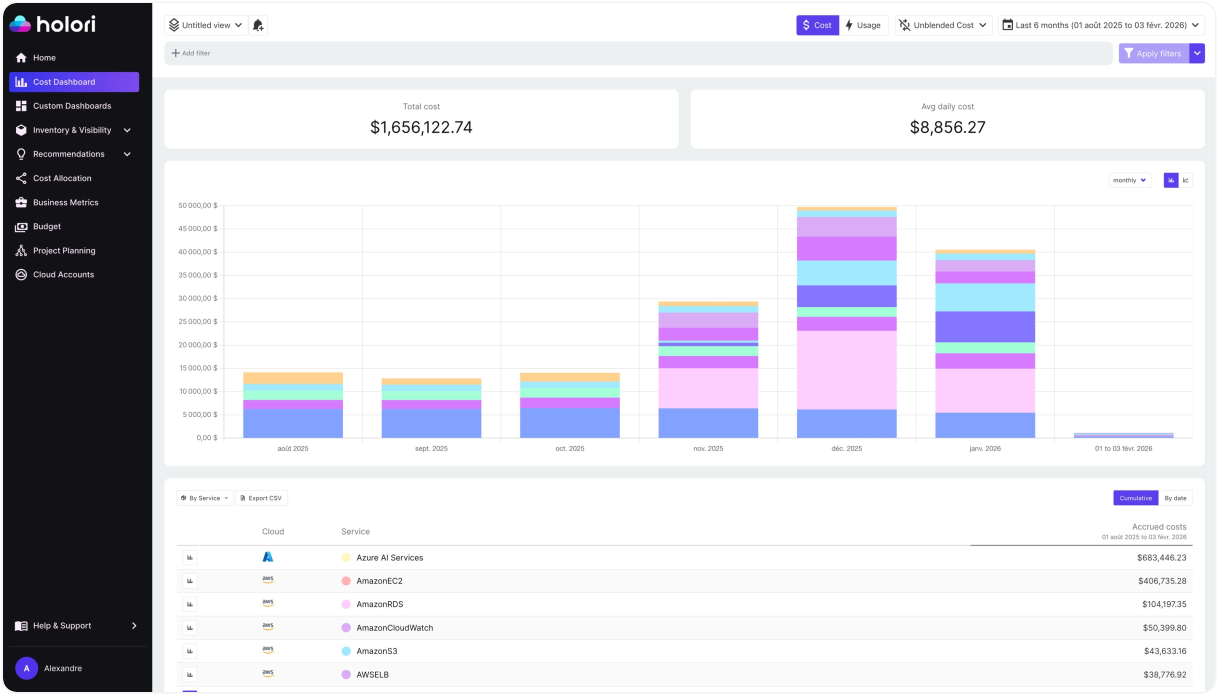
Platforms like Holori take a different approach by providing a ready-to-use FinOps solution. Holori delivers deep cloud cost visibility, actionable optimization insights, and strong cost governance across major cloud providers through an intuitive interface. Features like Virtual Tags and graphical cost allocation enable accurate cost distribution across teams and projects, while Holori’s automated infrastructure diagrams visually connect cloud architecture with costs, helping both FinOps and DevOps teams better understand and optimize their environments.
Conclusion
Open source FinOps tools have become an essential part of the cloud engineering ecosystem. Projects such as OpenCost, Kubecost, Infracost, Cloud Custodian, Komiser, and OptScale provide powerful capabilities for cost visibility, governance, and optimization.
While none of these tools offers a complete solution on its own, they can be combined to create highly flexible FinOps pipelines tailored to specific cloud architectures.
For engineering teams that want full control over their cloud cost data and deep integration with DevOps workflows, open source tooling represents a compelling alternative to traditional cost management platforms.
As cloud adoption continues to grow, the role of open source in FinOps is likely to become even more significant.